Is It Time to Change Your Business Entity?
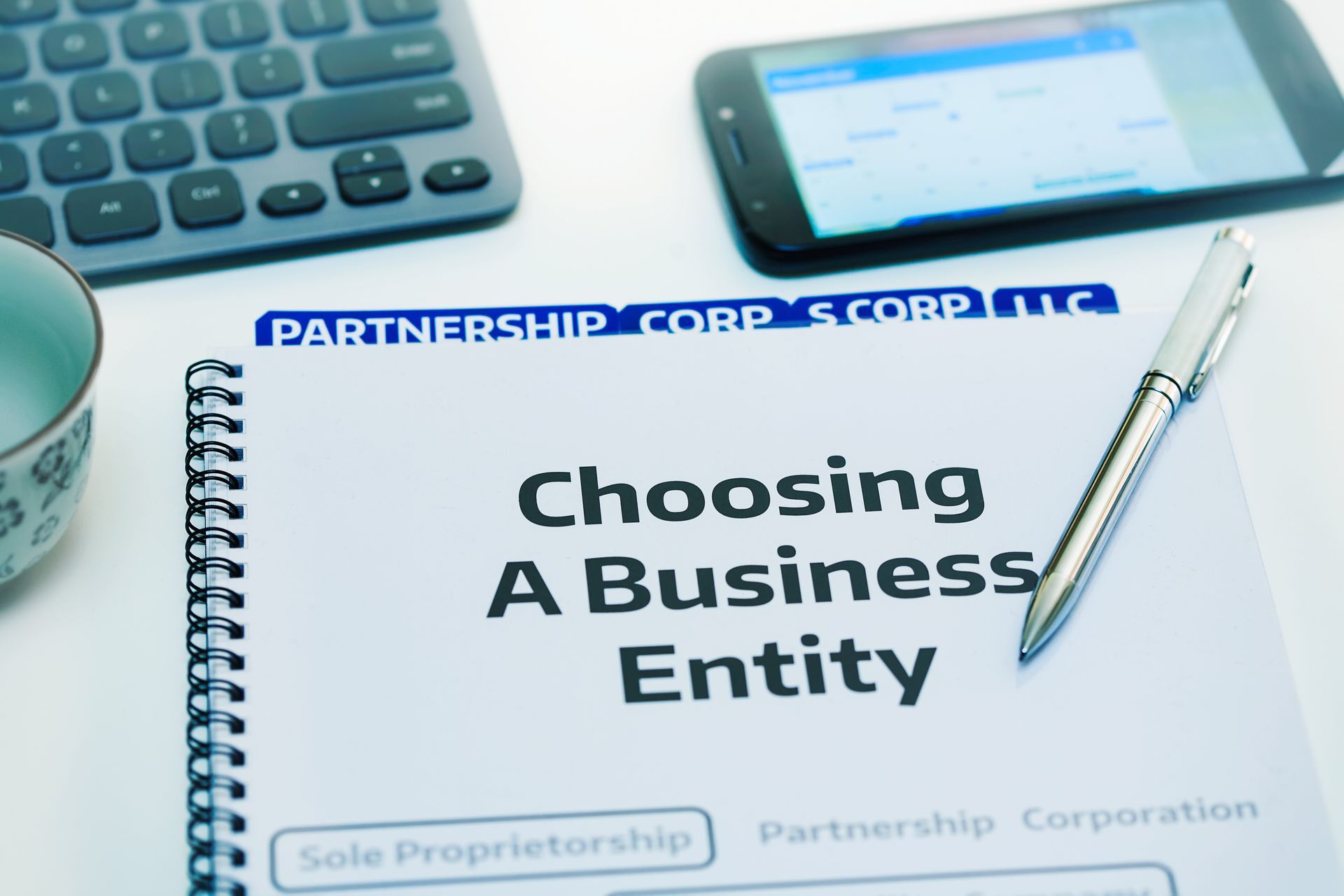
Starting a business often means choosing the simplest legal structure that allows you to get up and running quickly. Many entrepreneurs begin as sole proprietors or form a single-member LLC because these structures are easy to establish, offer operational flexibility and involve relatively few administrative requirements.
However, the business structure that made sense when you launched may not be the best fit as your company grows. Increased profits, additional employees, expanding operations and changing tax obligations can all signal that it's time to review your entity choice.
Your Business Has Become More Profitable
Profits may fluctuate significantly during the early stages of a business. As income becomes more stable and consistently increases, however, the tax implications of your current structure can change.
For sole proprietors and single-member LLCs taxed as sole proprietorships, the business's net profit generally passes directly through to the owner’s personal tax return and is subject to federal and state income taxes, as well as self-employment taxes.
As profits continue to grow, changes to your business structure or tax classification may create opportunities to improve tax efficiency. A CPA can help determine whether your current setup is still the right fit.
You're Hiring Employees
Hiring your first employee is a significant milestone, but it also introduces additional legal, tax and administrative responsibilities.
Employers must address requirements such as:
- Running payroll
- Withholding and remitting payroll taxes
- Paying unemployment insurance
- Maintaining workers’ compensation coverage
- Complying with applicable employment laws
Taking on these responsibilities, along with the potential liabilities that come with employing others, may prompt business owners to reconsider whether their current entity structure still provides the appropriate level of protection and operational flexibility.
Should Your Business Be Taxed as an S Corporation?
An S corporation is not a separate type of business entity in the same way as an LLC or corporation. Instead, it is a federal tax election that eligible businesses can choose.
For some businesses with consistently strong profits, S corporation taxation may provide tax advantages.
Owners who actively work in the business generally pay themselves a reasonable salary, with additional qualifying profits potentially distributed differently than they would be under sole proprietorship taxation.
However, an S corporation election is not automatically beneficial for every business.
Factors that influence whether it makes sense include:
- Annual business profits
- Payroll costs
- Administrative expenses
- Reasonable compensation requirements
- Long-term growth plans
Additional Compliance Requirements Come With Growth
Changing your business entity, or simply growing your existing business, often brings additional compliance responsibilities. Depending on your structure, you may need to manage:
- Payroll reporting
- Corporate meeting requirements
- Separate accounting records
- Additional tax filings
- State compliance requirements
- Formal documentation for business decisions
Liability Protection Isn't the Only Consideration
Many entrepreneurs initially form an LLC to gain liability protection. While protecting personal assets remains important, tax efficiency should also become part of the conversation as the business matures.
A business structure should support both operational needs and financial goals. The lowest-maintenance option isn't always the most cost-effective as revenue increases.
Periodic reviews allow owners to identify opportunities before they miss potential tax savings or create unnecessary administrative challenges.
Major Business Changes Should Trigger a Review
Even if your business has operated under the same structure for years, certain milestones should prompt a discussion with your CPA. These include:
- Significant increases in annual revenue
- Hiring multiple employees
- Bringing on business partners
- Expanding into new states
- Purchasing major business assets
- Planning for succession or eventual sale
- Changes in tax laws that affect small businesses
Revisiting your entity structure can be easy to postpone, especially when the business is growing and day-to-day demands take priority. However, it is often better to discuss major changes with your CPA as they occur rather than waiting until tax season to learn that an earlier adjustment could have reduced your tax burden or better supported the way your business now operates.
Work With a CPA Before Making Changes
Changing your business entity involves more than filing paperwork. Every decision affects taxes, payroll, legal compliance, accounting procedures and future planning.
A CPA can evaluate your business's financial performance, estimate the tax implications of different entity structures and explain the ongoing compliance responsibilities that come with each option.
Rather than assuming your current structure is still the best choice, or switching entities based solely on advice from other business owners, a professional review ensures your decision is based on your specific financial situation.
Is Your Business Changing? Talk to a Phoenix CPA About Your Options
Whether you're experiencing rapid growth, hiring employees or considering an S corporation election, proactive planning today can position your business for greater financial success in the years ahead.
Schedule your consult now here on our website or give us a call at (480) 561-5805.