How a Rolling Cash Flow Forecast Can Help You Spot a Shortfall Before It Happens
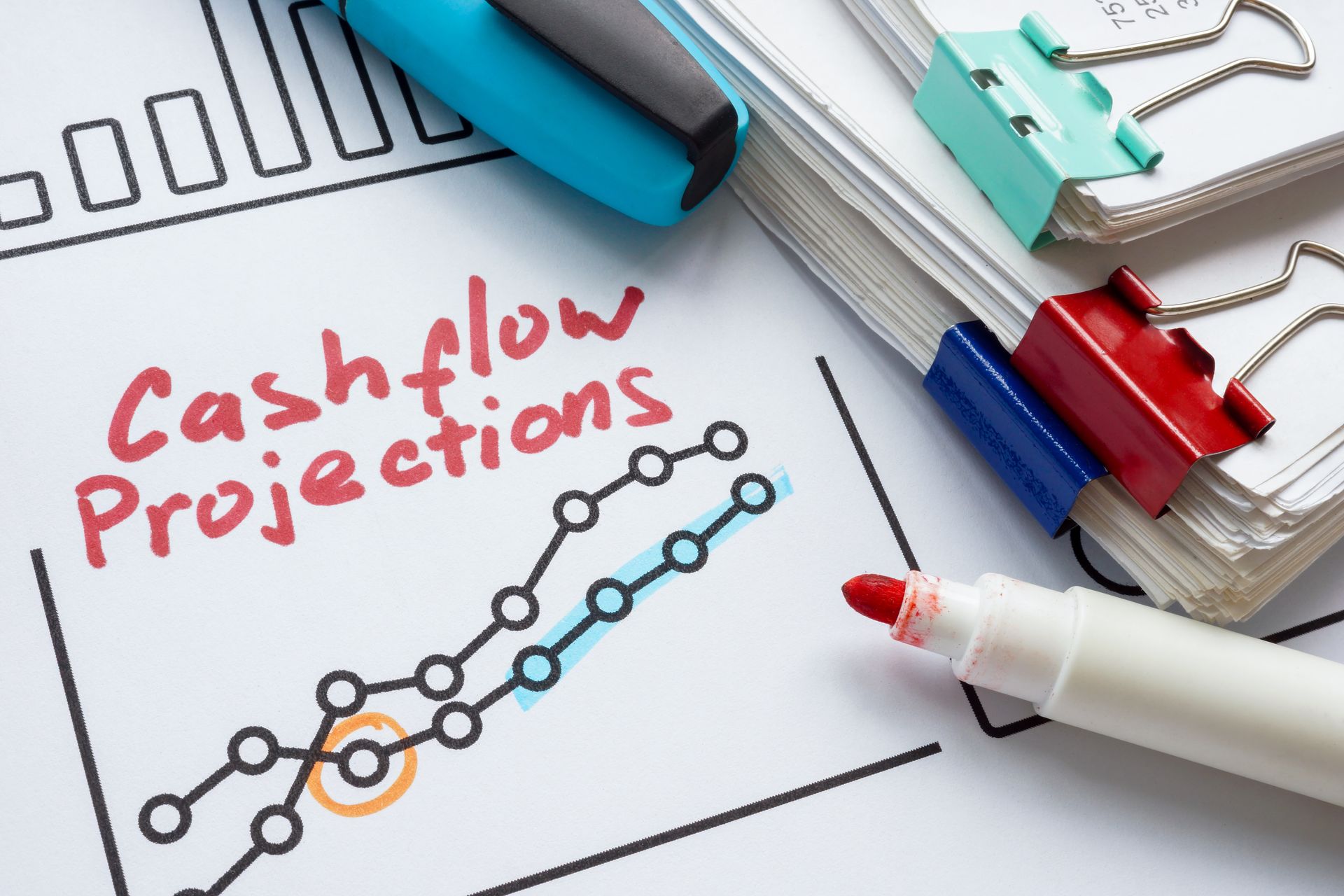
Your current bank balance provides an important snapshot of your business's cash position, but it does not show what that position may look like several weeks from now.
A rolling cash flow forecast helps business owners look beyond today's bank balance and understand where their cash position is headed. By projecting cash coming in and going out week by week, you can identify potential shortfalls early enough to do something about them.
Track Expected Customer Payments
A useful cash flow forecast should reflect when customers are likely to pay, not simply when invoices are due.
Review accounts receivable, typical payment patterns and any large outstanding invoices that could materially affect your cash position. If a major customer routinely pays 10 or 15 days after its stated terms, the forecast should account for that rather than assuming every receivable will arrive exactly on schedule.
Updating expected collection dates as circumstances change can also show how a delayed payment affects payroll, vendor obligations, taxes or other planned expenditures later in the forecast period.
Account for Operating Expenses, Payroll and Taxes
Your forecast should also include the expenses you know are coming. Recurring operating costs such as rent, utilities, insurance, software subscriptions, supplies and vendor payments can usually be anticipated.
Payroll and tax obligations deserve particular attention because they tend to have firm deadlines.
By putting these obligations into the forecast ahead of time, you can see whether sufficient cash will be available when they are due.
Don't Forget Debt and Major Purchases
Loan payments, lines of credit, equipment purchases and other large expenses can significantly affect cash flow. Even when these costs are planned and affordable over the long term, their timing can create a temporary cash squeeze.
Including debt payments and major purchases in your forecast gives you a clearer picture of when cash will be tight. If a large purchase is flexible, for example, you may be able to adjust its timing rather than discovering the problem after the cash has already left your account.
Project Your Ending Cash Balance Week by Week
A rolling cash flow forecast works by starting with your current cash balance, adding expected collections and subtracting anticipated expenses. The result is a projected ending cash balance for each week, which may make potential trouble much easier to see.
Instead of discovering that your account is getting dangerously low after several unexpected expenses have already occurred, you may see the projected shortfall weeks in advance, giving you time to evaluate your options.
Keep Updating the Forecast
A cash flow forecast becomes less useful when it is based on outdated assumptions. Expected collections, payroll, vendor payments, taxes and other obligations can all change as the forecast period progresses.
Regularly revisiting those assumptions helps keep the projection aligned with what is actually happening in the business. A delayed customer payment, an unexpected repair or a change in planned spending may materially affect the cash position several weeks ahead.
The goal is to maintain a current view of where cash is headed rather than relying on a projection that was created months earlier.
Why an 8- or 13-Week Outlook Matters
An 8- or 13-week cash flow forecast can give business owners valuable time to respond before cash becomes critically tight. If you identify a potential shortfall several weeks ahead, you may have options such as accelerating collections, delaying discretionary spending, adjusting the timing of purchases, negotiating payment terms or discussing financing needs with your lender.
Although it’s impossible to predict the future, being able to identify potential problems early may allow for better decision making.
Get a Clearer Picture of Your Business Cash Flow
At H&H Accounting Services, we can help Phoenix and Scottsdale business owners better predict their cash flow and use financial information to support smarter decisions.
If you want greater visibility into your upcoming cash needs, contact us at (480) 561-5805 to discuss how professional accounting support can help you build a more effective cash flow forecasting process.