What a 13-Week Cash Flow Forecast Can Reveal About Your Business
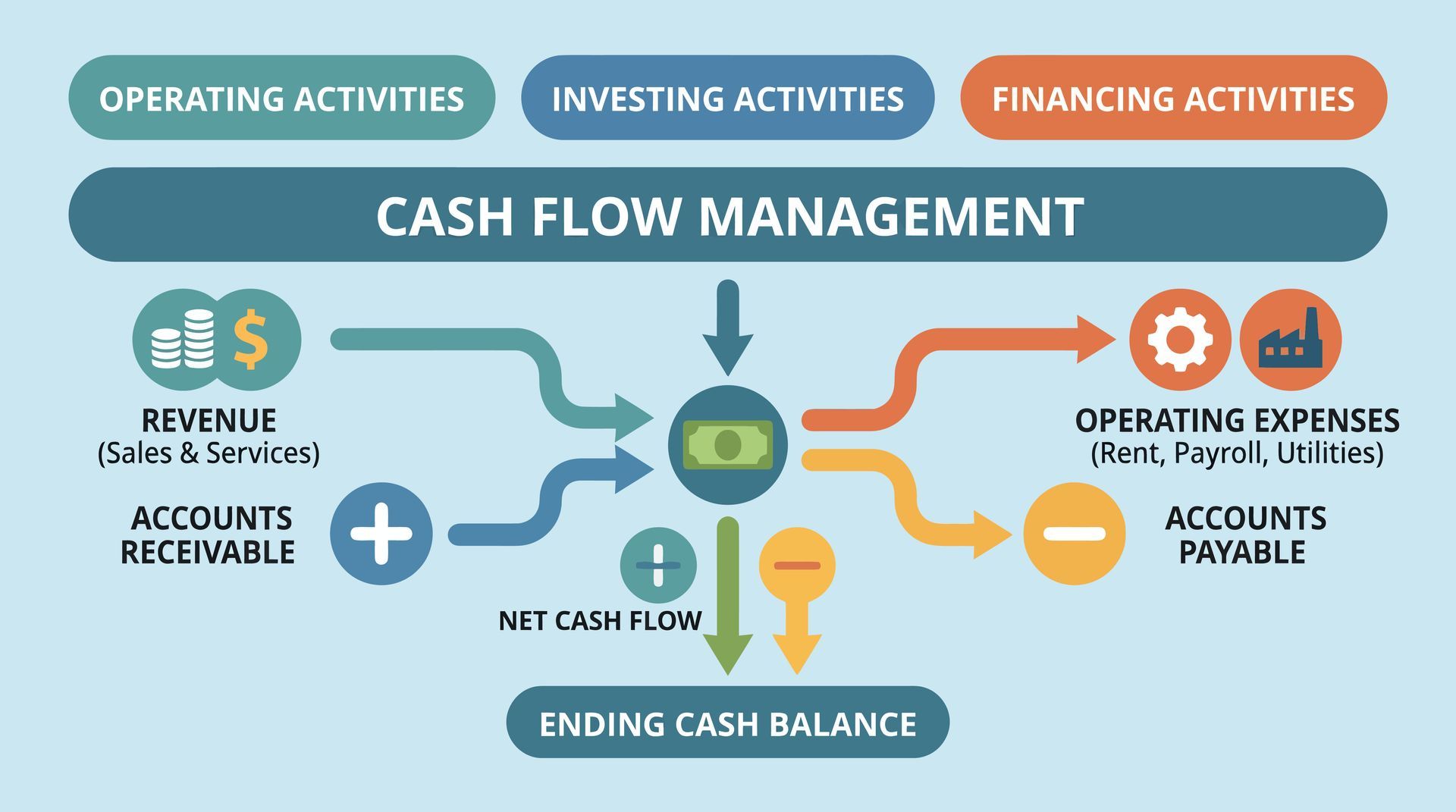
A 13-week cash flow forecast gives business owners a practical look at how cash is expected to move through the business over the next quarter. Instead of relying only on monthly reports or annual budgets, it breaks projected inflows and outflows into weekly periods so owners can see when cash may tighten, when large obligations are coming due and when there may be room to make decisions with more confidence.
For Phoenix businesses with seasonal demand shifts, payroll cycles, tax deadlines, vendor payments, equipment costs, or project-based revenue, that shorter forecasting window can be especially useful. It turns cash flow planning into a week-by-week management tool rather than a broad financial estimate.
Weekly Cash Inflow and Outflow Tracking
A 13-week cash flow forecast breaks your business finances into weekly increments, tracking exactly when money is expected to come in and when it needs to go out.
On the inflow side, this includes:
- Customer payments received
- Accounts receivable collections
- Cash sales
- Seasonal revenue spikes
- Contract payments or milestone billing
On the outflow side, it includes:
- Payroll
- Rent or lease payments
- Vendor bills
- Loan payments
- Inventory purchases
- Utilities and operating expenses
Unlike monthly reports, weekly tracking gives a much more precise view of timing. A business might be profitable over a month but still run into a cash gap mid-week when expenses hit before customer payments arrive.
This timing detail is what makes the 13-week forecast such a powerful management tool.
Identifying Upcoming Shortfalls Before Payroll or Rent Hits
One of the biggest benefits of a 13-week forecast is the ability to spot cash shortfalls before they become urgent problems.
Payroll and rent are typically fixed obligations with little flexibility. If cash inflows are delayed or uneven, businesses can find themselves in a situation where funds are not available at the exact time they are needed.
A 13-week view helps business owners:
- See when cash balances may dip too low
- Plan ahead for funding needs
- Adjust spending before shortages occur
- Prioritize collections or payment timing
Instead of reacting at the last minute, owners can proactively adjust operations to avoid disruption.
Seasonality in Phoenix Businesses
Hot summer months, tourism cycles and industry-specific demand patterns can all create uneven revenue streams for Phoenix-area businesses. For example:
- HVAC companies may see peak revenue in extreme heat months
- Landscaping businesses may slow during summer heat
- Retail and service businesses may fluctuate with tourism or local events
- Construction companies may experience weather-related timing shifts
Most business owners are not surprised by seasonal slowdowns. The challenge is understanding exactly how those cycles are likely to affect cash availability over the coming weeks. A 13-week forecast provides a more detailed roadmap for planning staffing, inventory purchases, equipment expenses, tax payments and other financial decisions around expected seasonal fluctuations.
Accounts Receivable Timing Problems
One of the most common cash flow issues businesses face is extended payment terms or long receivable cycles.
A 13-week forecast helps highlight how those cycles impact available cash in real time. By mapping those gaps, businesses can take steps such as improving collections processes, adjusting payment terms or prioritizing follow-ups with overdue accounts.
Payroll Obligations and Cash Timing
Payroll is one of the most critical and non-negotiable expenses for any business. Employees must be paid on time, regardless of fluctuations in revenue or customer payments. A 13-week forecast can help a business ensure:
- Payroll dates are always covered
- Staffing levels match cash availability
- Seasonal hiring is financially sustainable
- Overtime or labor spikes are planned for in advance
For growing businesses, payroll expansion is often one of the earliest pressure points where cash flow visibility becomes essential.
How Bookkeeping Accuracy Affects Forecasting
A cash flow forecast is only as reliable as the data behind it. If bookkeeping records are incomplete, outdated or inaccurate, the forecast becomes less useful for decision-making. Accurate bookkeeping ensures:
- Receivables are correctly recorded and timed
- Expenses reflect actual obligations
- Payroll and vendor payments are properly scheduled
- Cash balances match real bank data
- Forecast assumptions are realistic
Even small bookkeeping errors can distort a 13-week forecast and lead to incorrect conclusions about cash availability. Consistent, up-to-date financial records are essential for making the forecast a reliable management tool.
Work with Our Phoenix CPA for Clear Cash Flow Visibility
If you want a better understanding of your business’s short-term financial position, H&H Accounting Services can help. Our accountants support businesses with bookkeeping, financial reporting and cash flow forecasting designed to improve decision-making and reduce financial uncertainty.
Call us at (480) 561-5805 to schedule a consult and learn how improved financial visibility can support your business growth.