How to Use Last Year’s Numbers to Avoid Cash Flow Surprises in 2026

Cash flow problems rarely come out of nowhere. In most cases, they are the result of predictable timing gaps, underestimated expenses, or seasonal swings that could have been anticipated with the right data. One of the most effective ways to prevent cash flow surprises in 2026 is by using your actual numbers from the prior year as a planning foundation.
Instead of relying on rough estimates or best-case assumptions, businesses and self-employed individuals can build more accurate projections by analyzing what already happened. Last year’s financial activity provides a realistic roadmap for what to expect and where adjustments are needed.
Step 1: Start With Clean, Complete Prior-Year Data
Before projecting anything forward, it is essential to make sure last year’s numbers are accurate. This means reviewing final income statements, expense reports and bank activity to confirm that transactions were categorized correctly.
Look for:
- One-time expenses that will not repeat
- Missing income or delayed deposits
- Expenses that were misclassified or duplicated
- Owner draws or distributions that affect cash but not profit
Clean data ensures that projections are based on reality rather than distorted figures.
Step 2: Break Cash Flow Into Inflows and Outflows
Cash flow planning is not about profit alone. It is about timing. Start by separating last year’s activity into two categories: money coming in and money going out.
Inflows typically include:
- Client or customer payments
- Recurring revenue
- One-time projects or seasonal income
Outflows often include:
- Payroll or contractor payments
- Rent and utilities
- Taxes and estimated payments
- Debt service
- Software and subscriptions
Reviewing these separately helps identify where cash timing mismatches occurred.
Step 3: Identify Seasonal Patterns and Timing Gaps
Many cash flow issues are seasonal, even when revenue looks stable on an annual basis. Using last year’s monthly data, look for patterns such as slower months, high-expense periods or times when receivables lagged behind expenses.
Questions to ask include:
- Which months had the lowest cash balance
- When large expenses are clustered together
- When tax payments created are short-term strain
- Whether income timing shifted during the year
These patterns often repeat unless intentionally addressed.
Step 4: Adjust for Known Changes in 2026
Once last year’s patterns are clear, adjust projections for changes you already know are coming. These might include rent increases, staffing changes, new equipment purchases or planned growth initiatives.
It is also important to account for tax obligations based on last year’s results. Underestimating estimated payments is a common cause of cash flow stress.
Using prior-year data makes these adjustments more grounded and easier to quantify.
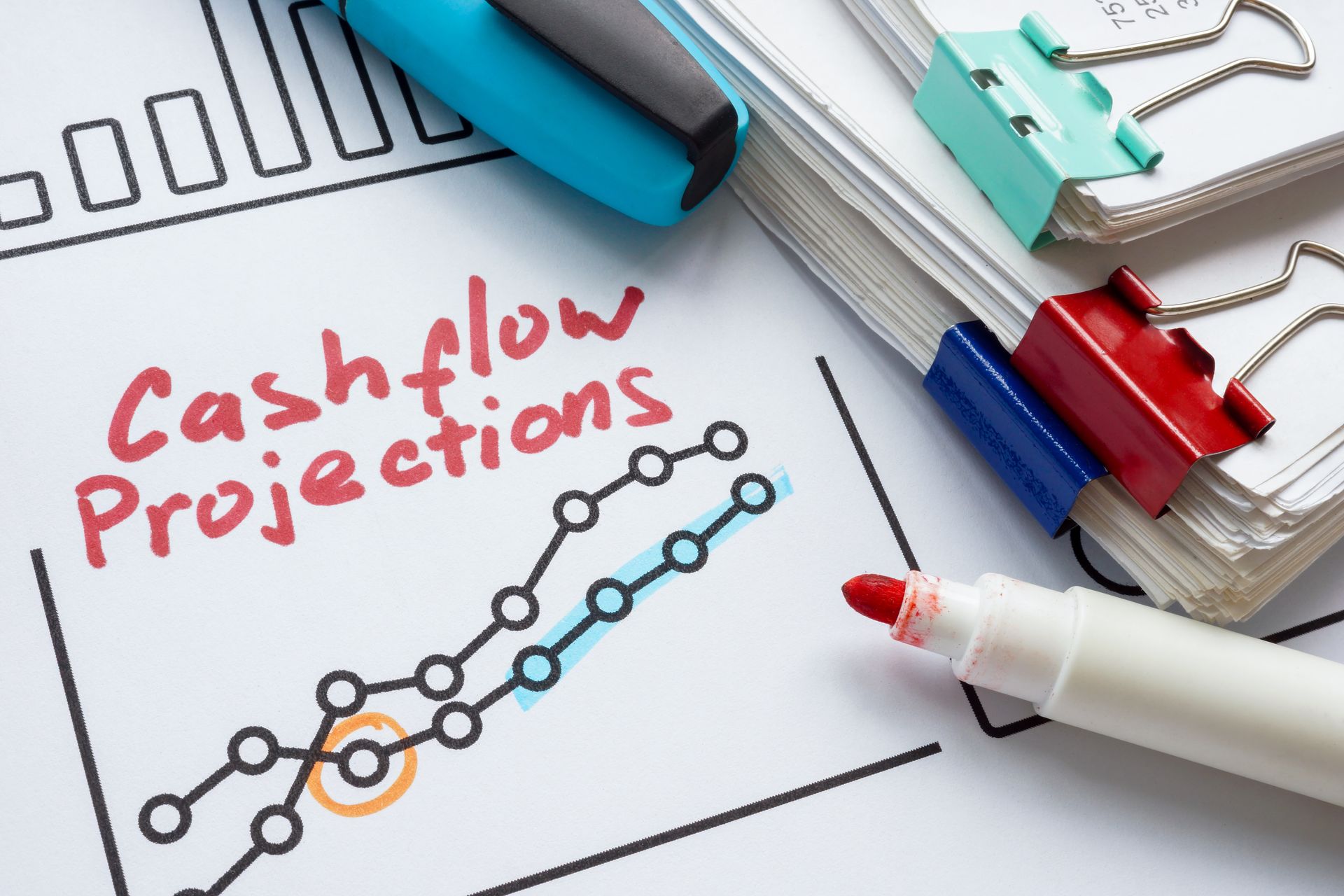
Step 5: Build Monthly Cash Flow Projections
With adjusted inflows and outflows, create a month-by-month projection for 2026. This does not need to be complex. The goal is visibility, not perfection.
Monthly projections help you:
- Anticipate low-cash periods
- Schedule expenses more strategically
- Time owner compensation responsibly
- Plan for taxes without last-minute scrambling
Even simple projections can dramatically reduce surprises.
Step 6: Stress-Test the Numbers
Once projections are built, test them. Consider what happens if income comes in later than expected or if expenses increase slightly.
Questions to Answer
- How much buffer exists in slower months?
- Are cash reserves sufficient to weather slow periods?
- Which expenses could be delayed if needed?
This step turns projections into a planning tool rather than a static document.
Step 7: Use Projections as a Living Tool
Cash flow planning works best when reviewed regularly. Comparing actual 2026 results to projections allows you to make adjustments early rather than reacting after problems arise.
Why This Approach Works
Using last year’s numbers removes guesswork. It grounds planning in real behavior, real timing and real financial habits. This approach is especially valuable for small businesses, freelancers and owners who manage variable income.
Rather than reacting to cash flow problems, you gain the ability to predict them and take steps to limit the challenges they might cause.
Phoenix Business Owners Can Get Help Planning Ahead With Our Financial Planning Services
If you want to avoid cash flow surprises in 2026, the most reliable place to start is with the numbers you already have.
H&H Accounting Services helps businesses and individuals turn prior-year financial data into practical cash flow projections and planning strategies. Contact us at H&H Accounting Services by calling (480) 561-5805.
We can help you forecast cash flow and build a forward-looking plan that supports stable, predictable cash flow in the year ahead.